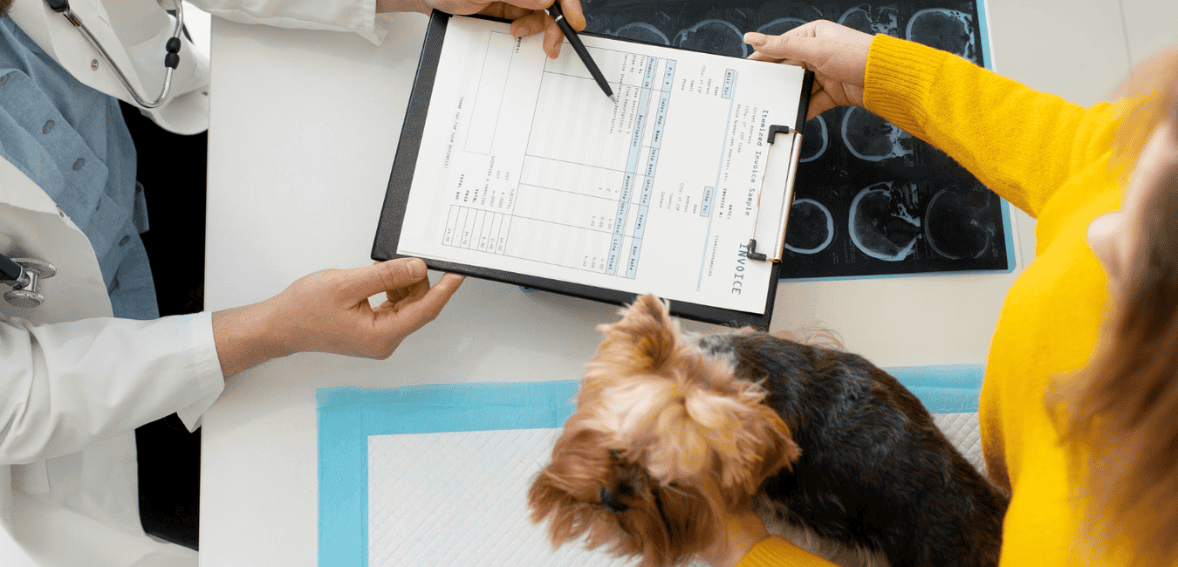
Improving Veterinary Appointment Flow in Busy Veterinary Practices
Running a veterinary clinic requires more than medical expertise. It involves keeping operations organized, managing client expectations and maintaining efficient scheduling while delivering quality care. Veterinary appointment flow becomes one of the most important parts of daily operations because it directly impacts staff performance, patient care and client satisfaction. When appointment flow is disorganized, customer frustration rises, animals become stressed and staff productivity drops. When it is planned well, however, the clinic operates smoothly and each appointment unfolds without unnecessary delays. Scheduling strategies vet clinics use today are much more sophisticated than simple appointment books or manual calendars.
Clinics have to consider emergency cases, preventive care, surgeries, consultations and diagnostic procedures. They also need a smooth process to reduce client wait time and maintain predictable service. As more people seek timely care for their pets, efficient veterinary appointment flow becomes the foundation of service quality and business growth. This article explores the most important strategies for improving appointment systems, reducing waiting and delivering reliable care even when clinics are fully booked.
Why Appointment Flow Matters in Veterinary Practices
Veterinary appointment flow is not only about timing, it is about prioritization, communication and coordination. It affects every stage of the client experience from intake to check out. Poor flow leads to patient backlog, delays, staff fatigue and a rushed environment. Strong workflow, however, ensures predictable schedules and reduces the time waiting in reception. Scheduling strategies vet clinics adopt also influence how many patients they can serve and how well resources are used. A clinic with controlled flow can accommodate urgent walk ins or emergency cases without disrupting the entire day. It can also avoid overbooking which is one of the biggest causes of operational stress.
Client wait time reduction becomes more important as pet owners expect fast, convenient access to care. Long delays can discourage repeat visits, increase complaints or push clients to seek another provider. When appointment flow improves, every appointment feels smoother. Veterinarians have more time with each patient and communication between staff improves. This is why modern clinics treat appointment flow as part of daily efficiency planning. It plays a major role in profitability and performance. When scheduling is predictable, most problems resolve themselves because there is less room for unexpected bottlenecks or confusion. Clinics that master appointment flow become more successful.
The Impact of Proper Scheduling on Patient Care
Scheduling strategies vet clinics follow have a direct effect on patient outcomes. When appointments overlap or run late, veterinarians rush through consultations which reduces the quality of care. Efficient scheduling allows more accurate examination, better diagnosis and more time for client education. Veterinary appointment flow supports better handling of urgent care, complex cases and preventive visits. When clinics design schedules with time buffers or flexible blocks, they reduce the risk of overload. This especially matters for procedures like vaccinations, tests or minor surgeries which may take longer than expected. The clinic atmosphere improves when there is a steady flow instead of a rush. Clients feel less anxious and pets remain calm.
Staff avoid multitasking beyond capacity and can focus on each animal. Good scheduling improves communication because veterinarians are not rushed. They can ask more questions, provide follow up advice and respond to client concerns. This deeper care improves medical outcomes. Client wait time reduction also enhances patient comfort. Pets may become nervous waiting in the lobby and exposure to other sick animals increases risk. When scheduling is organized, they spend less time waiting and receive treatment sooner. Scheduling strategies vet clinics implement are now recognized as part of patient safety and clinical care, not just administration.
Setting Clear Appointment Types and Time Blocks
One of the simplest ways to improve veterinary appointment flow is by defining appointment types. Instead of treating every appointment the same, clinics need separate time blocks for consultations, surgeries, diagnostics, vaccinations or follow ups. This approach keeps schedules balanced and reduces overbooking problems. Scheduling strategies vet clinics use include standard time slots that match the service needed. Certain appointments like preventive wellness checks may be short, while emergency care or behavioral issues may take longer. When clinics pre assign time appropriately, veterinary appointment flow remains predictable. Time blocks also allow clinics to group similar appointments together, improving efficiency. For example, vaccination sessions may be booked back to back so that preparation and equipment remain constant.
This saves time and effort. Another smart practice is keeping blocks available for urgent cases so that unexpected patients do not disrupt the entire schedule. Defining appointment types also helps administrative staff categorize requests more easily. Client wait time reduction becomes more achievable when each appointment fits a planned time. Pet owners also appreciate when staff explains the appointment duration in advance. This builds trust and reduces uncertainty. Structured scheduling makes a big difference in how smoothly the day unfolds. Clinics benefit from predictable flow, better time management and fewer surprises.
Using Digital Scheduling Tools for Better Coordination
Digital tools are becoming essential for managing veterinary appointment flow because manual scheduling cannot handle the complexity of modern clinical operations. Online platforms allow clinics to track appointment status, add reminders and update schedules instantly. These systems help reduce no shows, keep accurate records and coordinate staff. Scheduling strategies vet clinics adopt often include automated appointment confirmation and reminder messages sent via email or SMS. This increases compliance and reduces last minute cancellations. Digital scheduling tools also allow clients to book online which gives them more control and flexibility. The benefit is an organized schedule without excess phone calls or missed bookings.
Clinics can also sync calendars across departments so everyone knows the daily workload. This reduces miscommunication and double booking. Client wait time reduction becomes easier when software monitors capacity and recommends available slots. Digital tools improve visibility so every team member understands where appointments are in the workflow. This creates smoother transitions from check in to examination. With technology, clinics gain clearer insight into booking trends, busy times and common appointment types. Data supports better planning and resource allocation. Digital systems keep appointment flow manageable even during peak times. They enhance professionalism and reduce operational stress.
Strategies for Managing Walk-Ins and Emergencies
No matter how well a clinic schedules its appointments, unexpected walk ins and emergencies are part of veterinary practice. Handling them poorly disrupts workflow and extends client waiting. Scheduling strategies vet clinics use must include policies for these situations. Setting aside dedicated time slots or flexible spaces in the schedule helps the clinic absorb unexpected cases without blocking ongoing appointments. Some clinics establish triage systems to determine urgency levels. This ensures that critical cases are prioritized without causing delays for routine care. Veterinary appointment flow improves when staff are trained to evaluate walk ins quickly.
Communication is also important. Staff should explain expected waiting times and update clients if delays occur. When people understand the situation, they are more patient and satisfied. Client wait time reduction is still possible even during emergencies by managing expectations. Some clinics also partner with other veterinary providers to handle overflow cases during peak hours. Technology, such as messaging systems, helps inform clients when it is their turn. Efficient handling of walk ins shows professionalism and preparedness. It also reduces frustration among scheduled patients because service continues smoothly. Planning for walk ins keeps the appointment system strong and prevents the entire day from falling behind.
Training Staff to Handle Appointment Flow Smoothly
Veterinary appointment flow depends heavily on staff training. Efficient processes require team coordination and understanding of scheduling priorities. When staff know how to manage appointment intake, check ins and transitions, they keep the clinic running smoothly. Training includes customer service, time management and efficient communication. Scheduling strategies vet clinics use require staff to direct patients to the right location, handle follow ups and assign tasks. Receptionists, technicians and veterinarians must coordinate so that every appointment is prepared in advance. When staff work in sync, client wait time reduction becomes easier to achieve. Each team member should understand the appointment process, from record keeping to room preparation.
Even small actions like guiding clients to the right areas or organizing paperwork saves time. Staff training also improves communication between departments. For example, when a veterinarian is delayed, reception can update the next client. Coordination reduces frustration and keeps the day moving. A well trained team makes better decisions during unexpected situations like cancellations or emergencies. Training should be ongoing, not one time. As clinic needs change, processes must adjust. Staff efficiency is an important factor in veterinary appointment flow. The smoother the coordination, the smoother the appointment day feels for everyone.
Reducing Client Waiting Time Without Rushing Service
Reducing client waiting time is one of the biggest challenges for clinics. Veterinary appointment flow must balance speed with service quality. Long waits cause dissatisfaction but rushing appointments compromises care. Clinics need scheduling strategies that improve speed while maintaining quality. One useful approach is communicating expected wait time clearly. This gives clients control and reduces anxiety. Busy clinics can also provide estimated delays and periodic updates. This small step improves satisfaction and reduces complaints. Prioritizing urgent patients also helps reduce unnecessary delays for routine visits. Managing client traffic in the waiting area also matters.
Some practices ask clients to wait in their cars or move pets directly into exam rooms. This reduces stress for animals and owners. Client wait time reduction comes from simplifying intake procedures. Digital forms, pre registration and online check in help shorten waiting. Clinics should also evaluate their busiest hours and staff accordingly. Sometimes adding one assistant during peak times makes a big difference. Improving waiting area experience also helps maintain calmness. The goal is not just speed but smooth flow. By eliminating bottlenecks and improving communication, clinics achieve faster and better service. Balanced scheduling improves both care quality and client satisfaction.
Streamlining Check-In and Intake Procedures
A major source of delays in veterinary appointment flow is the check in and intake process. This often involves paperwork, patient history and administrative steps. Simplifying intake saves valuable minutes for each appointment. Scheduling strategies vet clinics should use include pre appointment forms or online registration. This reduces the need for paperwork during arrival. Digitizing records allows quick retrieval of patient history and medical data. This prepares the veterinarian before the exam begins. Staff can collect information faster and create smooth transitions. Client wait time reduction happens naturally when intake is efficient.
Clinics also use standard checklists to guide staff so they do not miss important details. Intake should include asking about symptoms, medications and recent medical events. It should be structured but not time consuming. Another approach is pre appointment confirmations that verify arrival time and appointment types. This prevents miscommunication. Clinics can also designate staff to handle intake separate from the reception desk. This reduces bottlenecks in the waiting area. By streamlining intake, clinics create a smoother experience for clients and reduce delays for the veterinarian. The result is a more predictable schedule that remains on track even during busy hours.
Communication as a Key Tool in Managing Appointment Flow
Clear communication affects every part of veterinary appointment flow. Clinics need to keep clients informed and staff aligned. Miscommunication leads to delays, confusion and scheduling errors. Scheduling strategies vet clinics use must include communication standards. Staff should communicate clearly about appointment times, expected waiting and service procedures. Sharing updates keeps clients engaged and reduces frustration. Internal communication is just as important. Veterinarians, technicians and receptionists must share information about delays, emergencies or schedule changes. Clinics can use messaging tools or staff huddles to stay aligned.
Client wait time reduction becomes easier when communication is proactive. Staff can warn clients of delays and offer options. Communication also helps manage expectations. Clients appreciate transparency and clarity. They feel respected and well informed. In complex cases, communication explains care steps and treatment options. When communication is strong, operations flow better. Appointment transitions are smoother because everyone knows their role. This reduces stress and improves outcomes. Communication turns challenges into manageable situations.
Evaluating Workflow for Continuous Improvement
Improving appointment flow is an ongoing process. Clinics must review performance and identify bottlenecks. Veterinary appointment flow improves when clinics track delays, cancellations and peak times. Scheduling strategies vet clinics use must be updated regularly. Leaders should analyze patterns and adjust accordingly. Are certain appointment types always delayed? Are there recurring staff shortages? Does intake take too long? Continuous evaluation uncovers problems and opportunities. Staff feedback is important because they see daily workflow challenges.
Client feedback also offers insight into satisfaction. Client wait time reduction may require adjusting scheduling or staffing. Some clinics use simple metrics to evaluate efficiency. Others rely on software analytics. The key is adapting to changing needs. Improvement is gradual and steady. When clinics monitor performance, they prevent inefficiency from becoming a permanent problem. Continuous improvement strengthens operations over time. It builds a culture of quality and professionalism.
Conclusion
Efficient appointment flow is one of the most valuable assets of a veterinary clinic. Veterinary appointment flow affects client satisfaction, operations and animal care. Smooth appointment processes reduce clinician stress and ensure reliable scheduling. Scheduling strategies vet clinics use make daily operations more predictable and organized. Clinics can manage walk ins, emergencies and routine visits without hesitation.
Client wait time reduction improves overall experience and builds trust. With strong appointment systems, staff work better and pets receive care faster. Improving workflow is an ongoing commitment and requires communication, staff training and consistent scheduling. Every adjustment supports smoother operations and better care. When clinics use the right tools and strategies, appointment flow becomes a competitive advantage. It strengthens business performance and improves the experience for pets, clients and staff.