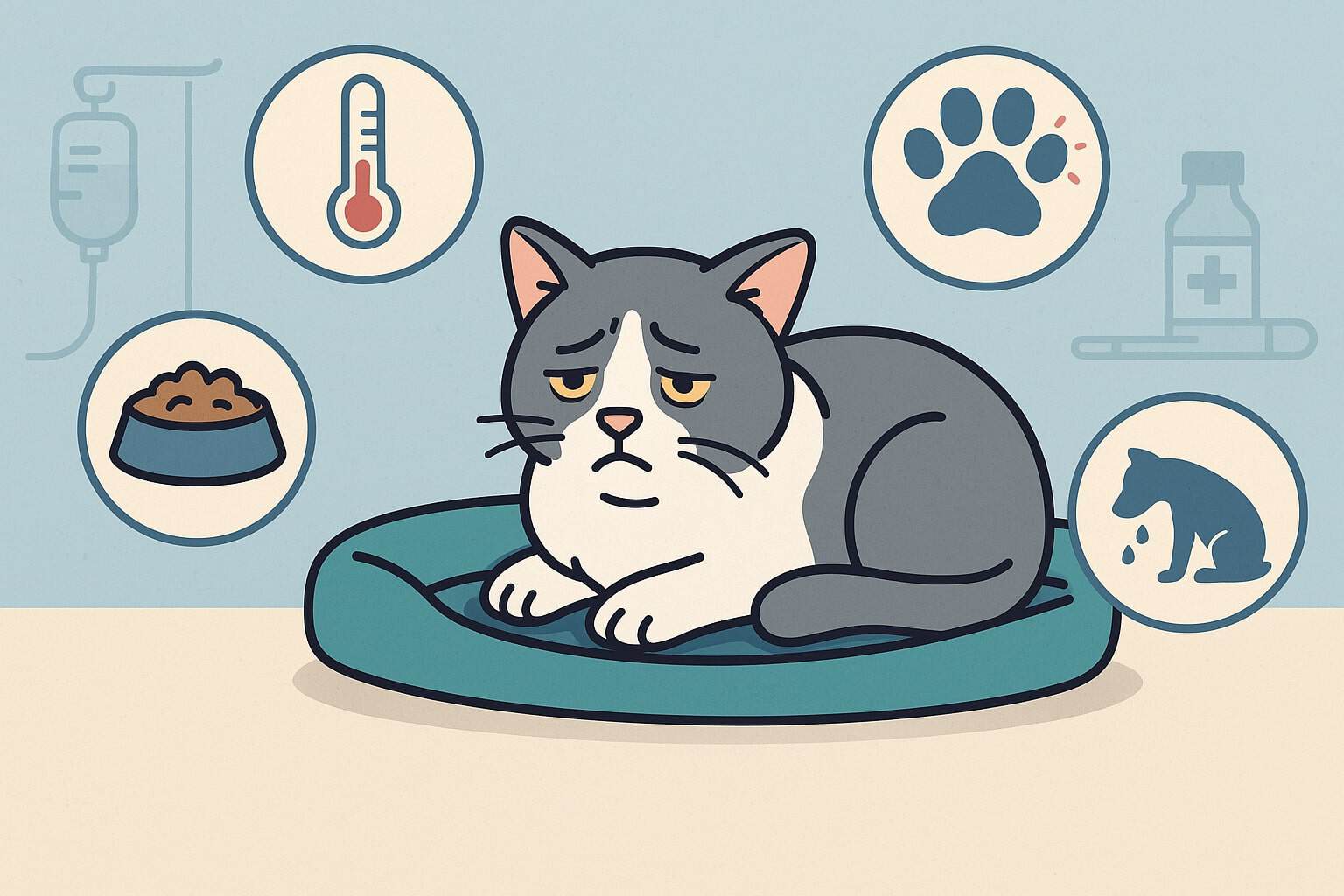
Signs Your Pet Needs Immediate Veterinary Care
When you share your home with a dog, cat, or any other companion animal, recognizing signs your pet needs immediate veterinary care can literally save their life. Pets often hide pain or illness, and what looks “minor” to a human can be a true emergency in an animal.
This guide focuses on U.S. pet owners and blends current veterinary guidance with practical, real-world advice to help you know when it’s time to seek emergency care right away.
Understanding What “Immediate Veterinary Care” Really Means
Many pet owners struggle to decide when to rush to an emergency vet versus waiting for a regular appointment. Immediate veterinary care means your pet needs to be seen as soon as possible because their health, comfort, or survival could be at risk if you delay.
In veterinary medicine, an emergency is any situation in which your pet might be experiencing serious pain, difficulty breathing, uncontrolled bleeding, neurologic issues, or rapid deterioration.
However, signs your pet needs immediate veterinary care are not always dramatic. Subtle changes like hiding, refusing food, or shallow breathing may be early red flags.
In the U.S., access to emergency clinics has improved, with more 24/7 hospitals, urgent care–style vet centers, and tele-veterinary triage services. These developments help owners decide whether to head straight to an ER or monitor at home.
Over the next few years, you can expect more AI-driven symptom checkers, wearable health monitors for pets, and integrated apps that connect you with live veterinarians for triage. These tools will support you, but they will never replace the need for rapid in-person care when your pet shows clear signs your pet needs immediate veterinary care.
As a rule of thumb, if you are wondering, “Could this be serious?”, err on the side of caution. It is always better to have a vet evaluate a situation that turns out to be minor than to ignore subtle but urgent signs your pet needs immediate veterinary care.
Life-Threatening Signs Your Pet Needs Immediate Veterinary Care
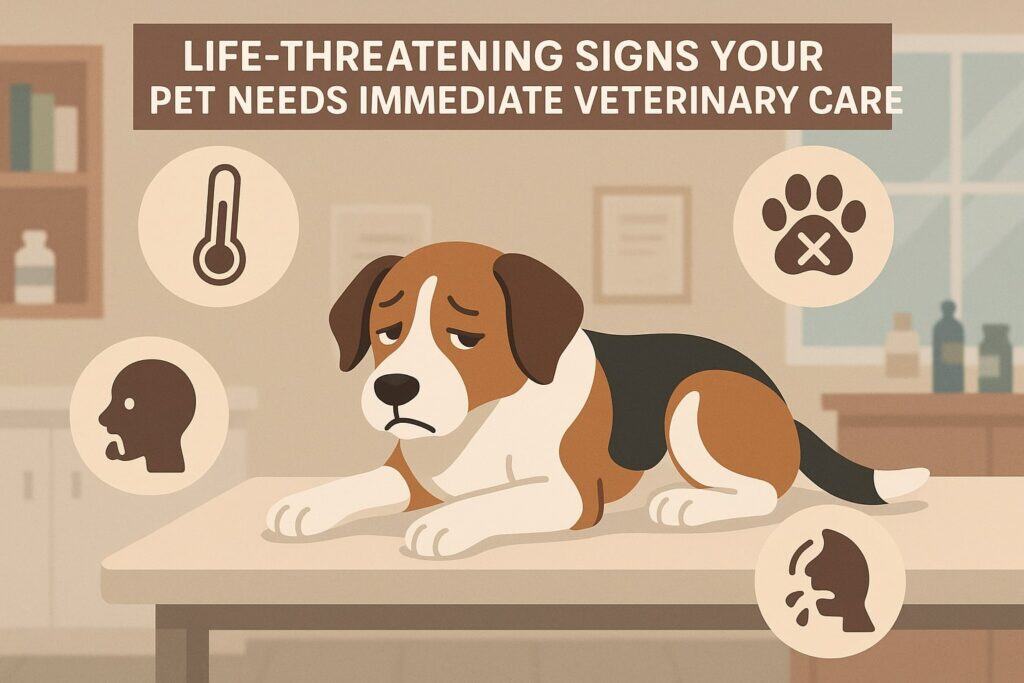
Some symptoms are classic red flags that your pet is in a life-threatening situation. These life-threatening signs your pet needs immediate veterinary care should always be treated as an emergency.
Severe Breathing Problems and Respiratory Distress
Any change in your pet’s breathing can be a critical warning. Difficulty breathing is one of the most urgent signs your pet needs immediate veterinary care because pets cannot survive long without adequate oxygen.
Watch for open-mouth breathing in cats, gasping, noisy breathing, or visible struggle with each breath. Dogs may stand with their elbows pointed out, neck extended, or refuse to lie down because they can’t breathe comfortably.
You might see rapid breathing at rest, blue or gray gums, or foam around the mouth. These signs may indicate heart failure, asthma, lung disease, airway obstruction, allergic reaction, or fluid around the lungs.
Even if your pet is still walking or responsive, labored breathing is an emergency. Do not wait to see whether they improve. Close windows, keep the environment calm, avoid unnecessary handling, and transport your pet immediately to the nearest emergency veterinary hospital.
In the future, home oxygen units and wearable respiratory monitors may make early detection easier, but right now, recognizing breathing issues as urgent signs your pet needs immediate veterinary care is essential to saving their life.
Collapse, Inability to Stand, or Sudden Weakness
A pet that collapses, can’t stand up, or suddenly becomes too weak to walk is showing one of the clearest signs your pet needs immediate veterinary care. This can appear as a dog whose back legs give out, a cat that suddenly lies on its side and won’t get up, or a pet that staggers and falls repeatedly.
Possible causes include internal bleeding, heart disease, severe anemia, heatstroke, toxicity, spinal injury, low blood sugar, or shock from trauma or infection.
In senior dogs, collapse can be linked to conditions like hemangiosarcoma (a bleeding tumor) or severe arrhythmias. Young animals can collapse from congenital heart defects, severe parasites, or acute poisoning.
If your pet collapses, stay calm but move fast. Keep them lying on a flat surface, avoid giving food or water, and prevent them from overheating or chilling. Contact an emergency vet, explain this sudden change, and head in right away.
In coming years, more advanced at-home diagnostics like Bluetooth stethoscopes and remote heart monitoring may help track at-risk pets, but they won’t eliminate the need to respond urgently to these dramatic signs your pet needs immediate veterinary care.
Uncontrolled Bleeding, Major Trauma, or Suspected Internal Injuries
Trauma and bleeding are obvious signs your pet needs immediate veterinary care. However, many owners underestimate internal injuries because the pet may look “okay” after an accident. Any hit by car, fall from height, dog fight, or blunt impact should be treated as an emergency, even if there is little visible damage.
Uncontrolled bleeding from any wound that doesn’t slow within a few minutes of gentle pressure is concerning. Bleeding from the nose, mouth, rectum, or blood in urine or vomit also qualifies as serious. These may indicate internal bleeding, clotting disorders, organ rupture, or poisoning from substances like rodenticides.
If you see these signs your pet needs immediate veterinary care, apply clean pressure to external wounds with a towel or gauze. Do not attempt to tourniquet limbs unless instructed by a veterinarian. Avoid home remedies like applying powders or ointments that may obscure the wound.
Transport your pet carefully, especially if you suspect fractures or spinal injury. Future trauma management may include pet-specific first-aid wearables and drone-delivered emergency supplies, but currently, rapid transport to a veterinary hospital remains the most important step.
Digestive and Abdominal Signs Your Pet Needs Immediate Veterinary Care
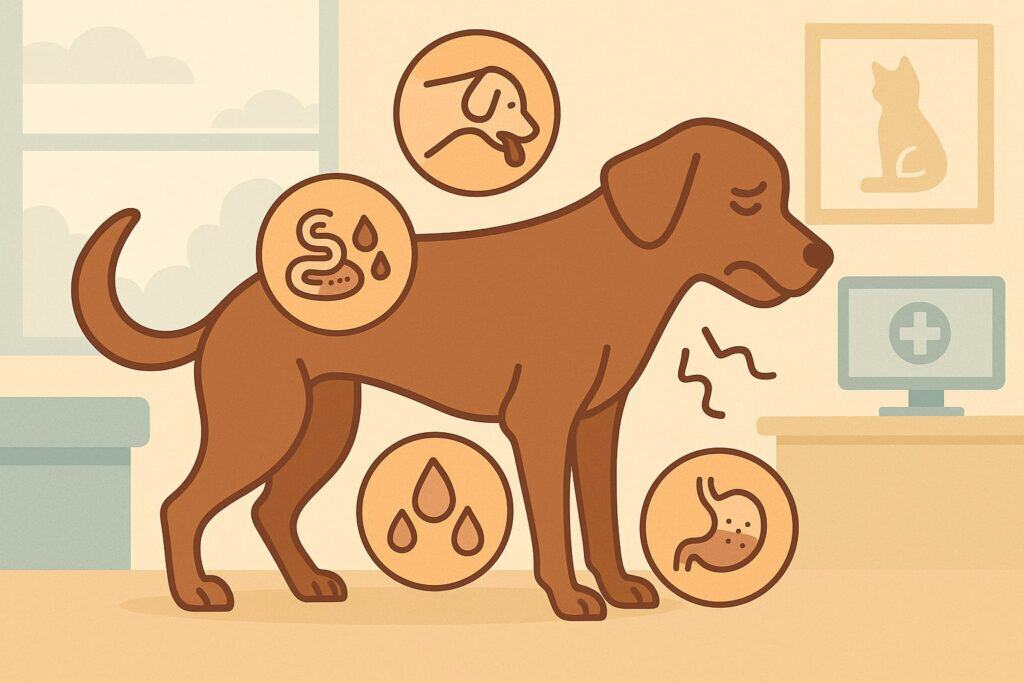
Digestive issues are common in pets, but some forms of vomiting, diarrhea, and abdominal pain signal emergencies. Understanding these abdominal signs your pet needs immediate veterinary care helps you distinguish a simple upset stomach from a life-threatening condition.
Persistent Vomiting, Bloody Vomit, or Inability to Keep Water Down
Many pets vomit occasionally, but repeated vomiting, vomit with blood, or inability to keep down even small amounts of water are serious signs your pet needs immediate veterinary care. Vomiting becomes an emergency when it is frequent, severe, or accompanied by other symptoms like lethargy, abdominal pain, or collapse.
Potential causes include foreign body obstruction, pancreatitis, kidney failure, liver disease, parvovirus, toxic ingestion, diabetic ketoacidosis, or severe gastritis.
In dogs, repeated unproductive retching with no vomit, especially in large breeds, may indicate gastric dilatation-volvulus (bloat), a surgical emergency. In cats, frequent vomiting can signal kidney disease, intestinal lymphoma, or inflammatory bowel disease.
Do not give over-the-counter human medications such as Pepto-Bismol, ibuprofen, or acetaminophen; many of these are dangerous or deadly to pets. Instead, note the timeline, appearance of vomit, and any possible toxins or foreign objects your pet may have eaten.
Then seek urgent veterinary care. Emerging technology, including smart litter boxes and AI-based symptom logs, will likely improve early recognition of gastrointestinal signs your pet needs immediate veterinary care in the next decade.
Painful, Bloated, or Hard Abdomen
A distended, tight, or painful abdomen is one of the most important abdominal signs your pet needs immediate veterinary care. Dogs with bloat may pace, drool, attempt to vomit, or stand hunched over. Cats with painful abdomens often hide, vocalize when picked up, or resist touch to their belly.
A bloated abdomen can result from gastric torsion, internal bleeding, organ torsion, severe constipation, fluid buildup, or advanced cancer. These conditions can rapidly lead to shock, organ failure, and death.
You might notice your pet crying out, panting, or refusing to lie down comfortably. They may also exhibit pale gums, increased heart rate, or weakness.
Do not press hard on your pet’s abdomen or attempt to “massage out” the bloating. Avoid giving food, water, or laxatives. Instead, treat this as one of the clearest signs your pet needs immediate veterinary care and go straight to an emergency hospital.
As veterinary imaging and point-of-care ultrasound become more widely available in U.S. clinics, diagnosis of abdominal emergencies will get faster and more accurate, improving survival when owners act quickly.
Straining to Urinate or Defecate, Especially in Male Cats
Difficulty urinating or defecating can be deceptive. Many owners think their pet is constipated when they are actually having trouble urinating, which is far more dangerous.
Frequent trips to the litter box, crying while trying to urinate, passing only a few drops, or licking the genital area excessively are urgent signs your pet needs immediate veterinary care, particularly in male cats.
Male cats are prone to urethral blockage, in which crystals, mucus, or inflammation obstruct urine flow. Within hours, this can cause dangerous electrolyte imbalances, kidney failure, and death.
Dogs can also suffer urinary blockages from stones or prostate disease. Straining in females can indicate severe urinary tract infection, bladder stones, or tumors.
Similarly, pets that strain repeatedly to defecate without producing stool, or that pass blood or black, tarry feces, may have intestinal obstruction, severe colitis, rectal prolapse, or bleeding ulcers.
Never give human laxatives or enemas without veterinary advice; many are toxic or damaging. In the future, more widespread use of urinalysis test strips at home and smart litter boxes will help catch urinary issues earlier.
For now, recognize straining as one of the important signs your pet needs immediate veterinary care and seek help quickly.
Neurological and Behavioral Signs Your Pet Needs Immediate Veterinary Care
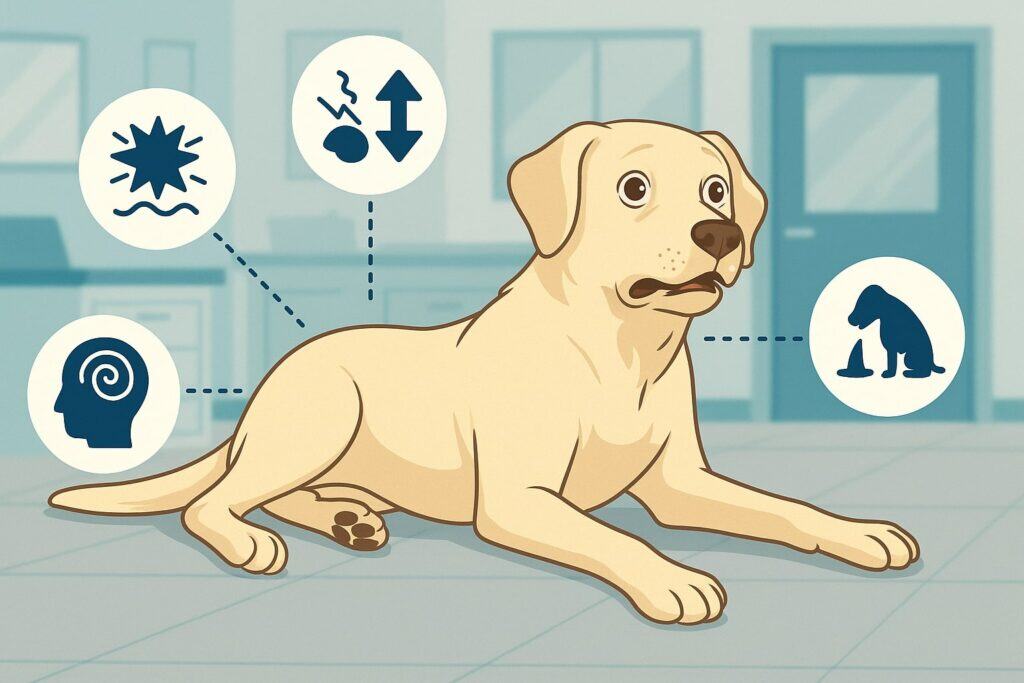
The brain and nervous system control everything from movement to behavior. Changes here can be subtle or dramatic, but many are true emergencies. Neurological and behavioral signs your pet needs immediate veterinary care should never be ignored.
Seizures, Tremors, or Episodes of “Spacing Out”
A seizure is one of the most alarming signs your pet needs immediate veterinary care. Seizures may involve full-body convulsions, paddling of limbs, drooling, loss of consciousness, or loss of bladder/bowel control. Some pets experience partial seizures, such as facial twitching, snapping at the air, or repeated chewing motions.
Common causes include epilepsy, brain tumors, liver disease, low blood sugar, toxins (like certain pesticides, human medications, or recreational drugs), infections, or head trauma.
A single, brief seizure in a known epileptic pet may not always require emergency care, but cluster seizures (multiple in 24 hours), seizures lasting more than 3–5 minutes, or first-ever seizures are all signs your pet needs immediate veterinary care.
If your pet is actively seizing, keep them away from stairs and sharp objects, dim lights, and avoid putting your hands near their mouth. Time the seizure and film it if safely possible, as this can help your veterinarian.
Tremors or episodes where your pet seems “out of it,” staring into space, or not recognizing you may also indicate neurologic issues or toxin exposure. Future veterinary care will likely incorporate EEG monitoring, advanced imaging, and genetic testing to better manage seizure disorders, but your role remains recognizing seizures as urgent signs your pet needs immediate veterinary care.
Sudden Disorientation, Circling, or Loss of Balance
A pet that suddenly walks in circles, tilts its head, stumbles, or falls over may be experiencing a neurologic emergency. These balance and coordination problems are critical signs your pet needs immediate veterinary care, especially if they appear suddenly.
Possible causes include vestibular disease, stroke-like events, brain tumors, ear infections, toxicity, or spinal cord injuries. In older dogs, “old dog vestibular disease” can cause sudden head tilt and loss of balance.
While some cases improve with supportive care, it can be difficult for owners to tell this apart from a stroke or other serious issue at home.
Watch for rapid eye movements (nystagmus), difficulty standing, or panic when your pet tries to move. Some animals may vomit due to dizziness. Because these signs your pet needs immediate veterinary care overlap with many conditions, an exam, neurologic assessment, and possibly imaging are essential.
In the coming years, more clinics may use mobile MRI and tele-neurology consultations to rapidly evaluate such cases, but timely transport to a vet remains crucial.
Extreme Behavioral Changes, Sudden Aggression, or Unresponsiveness
Behavioral changes are often dismissed as “mood” issues, but sudden, extreme shifts can be signs your pet needs immediate veterinary care. If a normally friendly pet suddenly becomes aggressive, growls when touched, or isolates and refuses contact, it may be in severe pain or experiencing neurologic problems.
Other concerning behavioral signs include unresponsiveness, staring, not recognizing family members, or seeming “lost” in familiar spaces. This can indicate brain disease, severe infection, organ failure, toxin exposure, or advanced metabolic imbalance.
Pets may also show restlessness, pacing, and inability to settle, which can signal pain, anxiety from internal distress, or early signs of conditions like bloat or pancreatitis.
With the growth of behavioral telemedicine and fear-free practices in U.S. veterinary medicine, the line between medical and behavioral issues is being studied more closely. Future tools may help differentiate pain-driven behavior from primary anxiety or aggression.
Still, you should always treat sudden, intense behavioral shifts as potential signs your pet needs immediate veterinary care and have a veterinarian examine your pet for underlying illness.
Skin, Temperature, and Appearance: External Signs Your Pet Needs Immediate Veterinary Care
The way your pet looks on the outside often reflects what is happening inside. Certain visible changes are clear external signs your pet needs immediate veterinary care, even before other symptoms appear.
Pale, Blue, or Yellow Gums and Tongue
Your pet’s gums and tongue can provide a quick snapshot of their internal health. Pale or white gums may indicate anemia or shock. Blue or gray gums suggest a serious lack of oxygen. Bright red gums can occur with heatstroke or poisoning, while yellow (jaundiced) gums point toward liver disease or severe red blood cell destruction.
Checking gum color regularly helps you recognize when something is off. Lift the lip and observe the color and moisture. Dry, tacky gums may indicate dehydration.
Also use the capillary refill time test: press a finger gently on the gums until they blanch, then release and count how long it takes to turn pink again. More than two seconds can indicate poor circulation or shock.
These gum changes are among the most important visual signs your pet needs immediate veterinary care. In emergency clinics, staff often check gum color immediately upon triage.
In the future, consumer pet-health devices may include gum-color recognition through photo analysis or smart collars that track perfusion, but for now, your eyes and quick action are critical.
Extreme Temperature Changes, Heatstroke, or Hypothermia
Your pet’s body temperature can fluctuate with activity, but extreme changes are clear signs your pet needs immediate veterinary care. Normal dog and cat temperature usually ranges from about 100–102.5°F. Temperatures above 104°F or below 99°F are generally concerning and may be life-threatening.
Heatstroke is a growing problem in the U.S., especially with hotter summers. Warning signs include excessive panting, drooling, bright red gums, vomiting, diarrhea, collapse, and seizures.
Brachycephalic breeds (like Bulldogs and Pugs), overweight pets, and those left in hot cars or on hot pavement are at especially high risk. If you suspect heatstroke, move your pet to a cool environment, apply cool (not ice-cold) water to the body, and transport it to a vet immediately.
Hypothermia can occur in small, short-haired, very young, elderly, or wet animals exposed to cold weather. Signs include shivering, lethargy, cold ears and paws, and slow heart rate. Wrap your pet in warm blankets and seek veterinary care.
Wearable pet tech is increasingly focusing on continuous temperature and heart-rate monitoring, which will likely become more common in the next decade, especially for at-risk breeds. Until then, recognizing temperature extremes as signs your pet needs immediate veterinary care is your best protection.
Severe Wounds, Burns, Bites, or Sudden Swelling of the Face or Body
Not all wounds are equal. Deep cuts, puncture wounds, burns, or large areas of skin damage are obvious signs your pet needs immediate veterinary care.
Dog bites, even when they look like small punctures, can hide serious internal damage and infection risk. Cats are especially prone to abscesses after fights, which can swell, rupture, and become very painful.
Sudden swelling of the face, muzzle, or body may indicate an allergic reaction, snake bite, insect sting, or trauma. Hives, itchiness, vomiting, or difficulty breathing along with swelling are critical signs your pet needs immediate veterinary care and may require emergency treatment with oxygen, fluids, and medications like epinephrine or steroids.
Do not apply butter, oils, or unapproved creams to burns or wounds. Avoid using hydrogen peroxide repeatedly, as it can damage tissue. Instead, gently cover obvious wounds with a clean cloth and seek veterinary care right away.
In the future, we may see more veterinary-approved home wound-care kits and telemedicine wound assessments, but prompt in-person evaluation will remain necessary for significant injuries.
Subtle but Serious Signs Your Pet Needs Immediate Veterinary Care
Some of the most dangerous problems start subtly. Learning to recognize these early signs your pet needs immediate veterinary care can help you address conditions before they become life-threatening.
Refusal to Eat or Drink, Especially for More Than 24 Hours
Most pets love food, so a sudden refusal to eat is a big warning sign. While skipping a single meal may not always be critical, refusing food for more than 24 hours, especially combined with lethargy, vomiting, or weight loss, is one of the more subtle signs your pet needs immediate veterinary care.
Cats are particularly at risk. A cat that stops eating for even 24–48 hours can develop hepatic lipidosis (fatty liver disease), a serious and potentially fatal condition.
Dogs may refuse food because of pancreatitis, dental pain, infection, kidney or liver failure, or cancer. Pets that stop drinking or drink far less than usual can quickly become dehydrated, especially in hot weather or if they are vomiting or having diarrhea.
Watch for concurrent weight loss, sunken eyes, dry gums, or reduced urination. These clues suggest dehydration and more serious illness. Over the next few years, smart feeders, water fountains with intake tracking, and health apps that log eating patterns will help identify early changes in appetite and hydration.
However, if your pet is not eating or drinking and appears unwell, treat this as one of the quieter signs your pet needs immediate veterinary care and call a vet.
Lethargy, Hiding, or Sudden Drop in Activity Level
It is normal for pets to have lazy days, but sudden, severe lethargy is another subtle sign your pet needs immediate veterinary care. Lethargy goes beyond normal tiredness. A lethargic pet may not get up to greet you, respond less to stimuli, or seem too weak to move around normally.
Cats may hide in closets or under furniture, stop grooming, and avoid interaction. Dogs might sleep far more than usual, skip walks, or lag behind on favorite activities. These behavioral changes can be due to fever, pain, internal bleeding, heart disease, metabolic disorders, infections, or cancer.
Because many pets instinctively hide signs of pain or illness, noticeable lethargy often indicates problems have progressed. Future home-monitoring technology, such as activity-tracking collars integrated with health algorithms, is already emerging and will grow more sophisticated.
These devices can flag changes in movement or rest that correlate with illness. Even without devices, if your pet seems “just not themselves” for more than a day or two, and especially if combined with other symptoms, consider these changes important signs your pet needs immediate veterinary care.
Persistent Coughing, Gagging, or Sneezing with Other Symptoms
Respiratory issues do not always present as obvious distress. Chronic coughing, frequent gagging, or persistent sneezing paired with other symptoms can be signs your pet needs immediate veterinary care, particularly in older animals or those with known heart or lung conditions.
In dogs, a dry, hacking cough might suggest kennel cough or tracheal collapse. While mild cases can sometimes be monitored, coughing with difficulty breathing, fainting episodes, blue gums, or exercise intolerance may indicate congestive heart failure or severe lung disease. In cats, coughing can be a sign of asthma, heartworm disease, or pneumonia.
Gagging or repeated attempts to vomit with nothing coming up could indicate foreign body obstruction, bloat, or airway irritation. Sneezing with thick nasal discharge, facial swelling, or bleeding can suggest infection, dental disease, foreign body, or tumors.
With more advanced point-of-care lung ultrasound and improved heart diagnostics in U.S. clinics, veterinarians can quickly assess these pets, but your role is to notice persistent respiratory signs as early indicators your pet needs immediate veterinary care.
How to Respond When You Notice Signs Your Pet Needs Immediate Veterinary Care
Recognizing the warning signs is only half of the equation. The next step is knowing how to respond when you see signs your pet needs immediate veterinary care so you can protect your pet quickly and effectively.
Stay Calm, Assess Safely, and Avoid Dangerous Home Remedies
It is completely natural to panic when your pet is in distress, but your calm response can make a big difference. First, ensure your own safety. A scared or painful animal may bite or scratch, even if they are normally gentle. Approach slowly, speak softly, and avoid putting your face near their mouth.
Perform a quick assessment: check breathing, gum color, responsiveness, and any visible injuries. Note when you first saw symptoms and whether they are getting worse. Resist the urge to search random home remedies online.
Many human drugs, essential oils, and DIY treatments are toxic to pets. For example, human pain relievers like ibuprofen, naproxen, and acetaminophen can be deadly for dogs and cats.
Instead, rely on reputable sources and contact a veterinary hospital or trusted emergency vet for guidance. In the U.S., tele-triage services and veterinary nurse hotlines are becoming more common and will expand in coming years.
These services help you determine whether signs your pet needs immediate veterinary care warrant an ER visit, urgent care, or monitoring at home. But when in doubt—go in.
Contacting an Emergency Vet, Poison Control, or Tele-Triage Service
Once you identify signs your pet needs immediate veterinary care, act quickly. If your regular vet is open, call and explain the situation clearly: your pet’s age, species, breed, main symptoms, and when they began. Ask if they can see your pet immediately or if you should go directly to an emergency hospital.
If your vet is closed, search for 24/7 emergency veterinary hospitals in your area and call while on your way if possible. Many emergency clinics in the U.S. now post wait times, triage levels, and instructions online.
If you suspect poisoning, contact a veterinary poison control hotline, such as the ASPCA Animal Poison Control or Pet Poison Helpline (fees may apply). They can give specific instructions based on what your pet may have ingested and coordinate with your vet.
Tele-triage apps and online veterinary services are expected to grow significantly, using AI symptom checkers and real-time video consults. While these tools are useful, they cannot administer oxygen, IV fluids, imaging, or surgery.
If your pet shows clear signs your pet needs immediate veterinary care—like trouble breathing, collapse, seizures, or uncontrollable bleeding—go in person immediately, even if you have not yet spoken with a vet.
Preparing an Emergency Pet Plan and First-Aid Kit
The best way to handle signs your pet needs immediate veterinary care is to prepare in advance. Create an emergency plan that includes the addresses and phone numbers of the nearest 24/7 veterinary hospitals, your regular vet, and poison control hotlines.
Save these contacts in your phone and post them on your fridge so anyone in your home can find them quickly.
Assemble a pet first-aid kit with items such as gauze, non-stick bandages, tape, antiseptic wipes approved for pets, tweezers, a digital thermometer, a muzzle or soft cloth for restraint, and a copy of your pet’s medical records and current medications. Ask your veterinarian which items are safe and appropriate for your pets and region.
In the future, many U.S. households may keep smart first-aid kits integrated with apps that guide you step-by-step and notify nearby emergency clinics of your arrival. For now, a well-stocked kit and a rehearsed plan can help you respond quickly when you notice signs your pet needs immediate veterinary care.
Frequently Asked Questions
Q1. How can I tell if it’s really an emergency or if I can wait?
Answer: It is often hard for owners to tell whether something is urgent. As a general rule, difficulty breathing, collapse, seizures, uncontrollable bleeding, inability to urinate, severe pain, or major trauma are always signs your pet needs immediate veterinary care.
Refusal to eat for more than 24 hours, persistent vomiting or diarrhea, and sudden behavior changes are also strong reasons to seek help quickly.
When in doubt, call your veterinarian or an emergency hospital and describe the situation. Veterinary teams are trained to triage over the phone and will advise whether to come in immediately or monitor at home.
Over the next few years, you will see more online symptom checkers and tele-triage services, but they are meant to guide you—not replace real emergency evaluation when serious signs are present.
Q2. What should I do if my pet eats something potentially toxic?
Answer: If your pet ingests medication, plants, chemicals, human food, or any unknown substance, treat it as a possible emergency. Do not make your pet vomit using hydrogen peroxide or other products unless instructed by a veterinarian or poison control, as inducing vomiting can sometimes worsen the situation.
Immediately note what they ate, how much, and when, then call your veterinarian, an emergency clinic, or a licensed pet poison control hotline. Many toxic exposures are time-sensitive, so quick response is crucial.
Some toxins, such as certain human drugs, rodent poisons, and xylitol, may show only vague signs at first but are serious internal signs your pet needs immediate veterinary care. In the future, we may see more home toxin-testing tools, but for now, professional guidance is essential.
Q3. Can I give my pet human pain medication in an emergency?
Answer: No. Most human pain relievers, including ibuprofen, naproxen, and acetaminophen, are dangerous for pets and can cause stomach ulcers, kidney failure, or liver damage. Even small doses can be toxic, especially in cats.
Giving human medications without veterinary guidance is never a safe way to respond to signs your pet needs immediate veterinary care.
If your pet appears painful—limping, crying out when touched, or refusing to move—keep them quiet and comfortable, avoid excessive handling, and seek veterinary care. Your vet can administer safe pain control and identify the underlying cause.
Future advances will likely include more long-acting, pet-safe pain medications and at-home monitoring of comfort, but professional evaluation will remain crucial.
Q4. How much does emergency veterinary care usually cost in the U.S.?
Answer: Emergency veterinary care can be expensive because it often involves 24/7 staffing, advanced diagnostics, and intensive treatment. Costs vary widely by region, hospital, and case severity, but you might expect hundreds to several thousands of dollars for serious emergencies like surgery, hospitalization, or advanced imaging.
Because signs your pet needs immediate veterinary care often appear unexpectedly, many U.S. owners are turning to pet insurance, wellness plans, savings funds, and veterinary financing options to help.
Looking into financial planning before an emergency occurs can reduce stress when you are faced with urgent decisions. Over time, tele-triage, transparent pricing tools, and expanded pet insurance coverage may help more owners afford prompt care.
Q5. How can I reduce the chances my pet will ever need emergency care?
Answer: Not every emergency is preventable, but you can significantly reduce risk. Keep your pet up to date on vaccines, parasite prevention, and wellness exams.
Pet-proof your home by securing trash, medications, chemicals, and small objects that could be swallowed. Provide appropriate exercise, maintain a healthy weight, and ensure your pet is safely restrained in vehicles and on walks.
Learn to recognize early warning signs—like changes in appetite, drinking, urination, energy level, or breathing—so you can address problems before they turn into full-blown emergencies. As pet-health technology continues to advance, tools like activity trackers, smart litter boxes, and telehealth consults will improve early detection.
Still, your attention, education, and willingness to act quickly when you see signs your pet needs immediate veterinary care will always be the most powerful protective tools.
Conclusion
Your pet cannot tell you when they feel sick, but their body and behavior communicate in other ways. From labored breathing and collapse to subtle lethargy, gum color changes, and sudden behavioral shifts, learning to recognize signs your pet needs immediate veterinary care is one of the most important responsibilities of a pet owner.
In the U.S., access to emergency veterinary hospitals, urgent care clinics, and tele-triage services is expanding. Future developments—like AI symptom analysis, wearable health monitors, and smart home pet-health systems—will provide new tools to detect illness earlier. However, these advances will always depend on one key factor: your willingness to pay attention and act quickly.
When you are unsure whether your pet is facing an emergency, remember this simple rule: if you are worried, your pet should be seen. It is better to have a veterinarian say, “Everything looks okay,” than to regret waiting too long.
By educating yourself on the warning signs, preparing an emergency plan, and trusting your instincts, you can ensure that when signs your pet needs immediate veterinary care appear, you respond in time to give your companion the best possible chance at a happy, healthy future.