Veterinary Front Desk Management: Key Habits for Smooth Operations
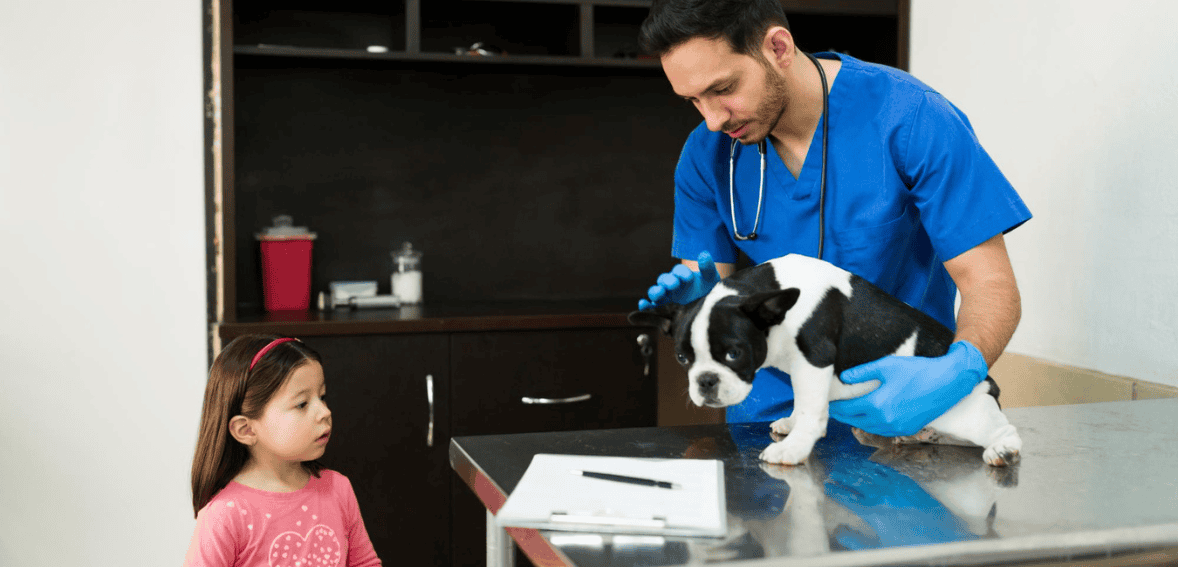
The front desk is the heart of any veterinary practice. It is the first point of contact for pet owners and often the last interaction they remember when leaving the clinic. A well run front desk sets expectations, manages flow, and creates a sense of trust before a veterinarian ever enters the room. When front desk operations are disorganized, even the best medical care can feel stressful or impersonal. That is why front desk management plays such a critical role in the overall success of veterinary practices.
Strong veterinary front desk habits are not about speed alone. They are about clarity, empathy, and consistency. From managing appointments to handling payments and client communication, the front desk influences how smoothly the entire clinic operates.
The Front Desk as the Operational Nerve Center
The front desk in a veterinary clinic is essentially the hub that connects all the other parts of the work. Receptionists coordinate schedules, handle client inquiries, pass on information to the clinical staff, and maintain accurate records. In a way, the entire clinic depends on this coordination. If everything is going well, the clinic runs smoothly. If not, then delays, miscommunication, and frustration are the immediate consequences. Knowing that the veterinary front desk is at the center of everything is the very first step in improving the clinic’s operations.
Front desk employees have to uphold administrative accuracy while engaging with people. They manage phone calls, walk-ins, appointment changes, and billing, and still, they have to be calm and attentive. A properly designed client check-in process plays a major role in diminishing the confusion and ensuring that the visits remain on schedule. Receptionists are then free to think of providing excellent service rather than constantly reacting to problems if the staff are supported by the systems and not overwhelmed.
Creating a Consistent Client Check-In Workflow
A clear and consistent client check-in workflow is essential for smooth operations. When clients know what to expect, anxiety decreases and interactions become more efficient. Check in should follow a predictable sequence, from greeting and verification to wait time communication. Consistency helps new and returning clients feel comfortable and respected.
For staff, a structured workflow reduces mental load. Instead of improvising with each arrival, receptionists follow established steps that ensure nothing is missed. This supports receptionist efficiency vet clinic goals by minimizing errors and speeding up routine tasks. Over time, a reliable check in process becomes second nature, allowing the front desk to handle busy periods with greater confidence and control.
Communication Habits That Reduce Front Desk Stress
Effective communication is, without a doubt, one of the most essential behaviors for a successful front desk operation. Confusions between customers and workers, which are the common causes of incidents leading to delays, and even dissatisfaction. Receptionists, therefore, are considered the most appropriate persons to deliver appointment details, waiting times, and policies in a composed and cheerful way. Clients, indeed, when being informed in advance, do not get irritated but rather feel comfortable.
Good communication skills also refer to the coordination that is done internally. Front desk employees must, therefore, provide technicians and veterinarians with the most correct information. Such an inner communication, therefore, not only facilitates veterinary front desk functions but also, is a safe guard against the repeated questions and double work. In fact, the adoption of communication habits consistently over time results in less stress and the creation of a more collaborative clinic atmosphere.
Managing Appointments With Precision and Flexibility
Appointment scheduling is one of the most complex responsibilities at the front desk. Clinics must balance efficiency with realistic time expectations. Overbooking leads to rushed care and unhappy clients, while underbooking wastes valuable resources. Effective scheduling habits support both medical quality and client satisfaction. A reliable client check-in workflow starts with accurate scheduling. Receptionists who understand appointment types and time requirements can manage calendars more effectively. This improves receptionist efficiency vet clinic outcomes by reducing last minute changes and delays. Flexibility remains important, but it works best when built on a foundation of clear scheduling guidelines.
Handling Phone Calls Without Disrupting In-Clinic Flow
Phone calls are a constant part of front desk work and a frequent source of interruption. Without clear habits, calls can overwhelm staff and disrupt in person interactions. Successful front desks develop systems for prioritizing calls while maintaining attention to clients at the desk. Receptionists should have clear guidelines for triaging calls, including emergencies, appointment requests, and general inquiries. This supports smoother veterinary front desk operations by preventing multitasking overload. When phone handling follows consistent rules, staff can remain present with clients while still providing timely responses to callers.
Building Trust Through Calm and Professional Presence
The behavior of the front desk staff is what essentially dictates the mood or the atmosphere of the clinic. Patients’ parents frequently come in carrying their worries or stress related to their pets. Their nervousness is usually calmed just by seeing a nice and professional staff member before the medical care is carried out. Even when the clinic is very busy and full of patients, the front desk staff should still be able to keep their calm which is actually one of their main keys to success.
Trust is established through very few intimate moments only, for example, eye contact, giving clear explanations, and being patient. These kinds of behaviors facilitate the client check-in process since they make it feel like a personal interaction instead of a mere transaction. In due course, consistent professionalism at the front desk will lead to the efficiency of the receptionists and the overall performance of the veterinary clinic as interactions will be smoother and less of a burden emotionally.
Accuracy in Records and Information Handling
Accurate records are critical in veterinary practices. Errors in client information, pet history, or billing can lead to confusion and even medical risk. Front desk teams play a major role in maintaining data accuracy through careful verification and documentation habits. A strong veterinary front desk culture emphasizes double checking details and updating records promptly. This accuracy supports smoother check in and checkout processes. When information is reliable, staff spend less time correcting mistakes and more time assisting clients, improving overall efficiency and trust.
Payment Handling as Part of the Client Experience
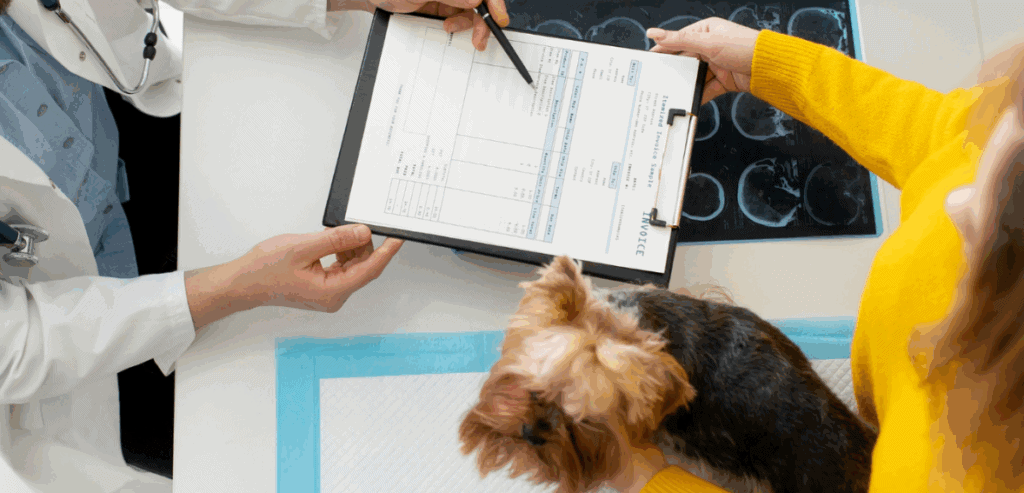
Payment interactions are often sensitive moments in veterinary visits. Clear communication and transparency help prevent discomfort or confusion. Front desk staff should explain charges calmly and answer questions without defensiveness. When handled well, payment becomes part of a respectful service experience rather than a point of tension. Consistent checkout habits support the client check-in workflow by ensuring visits end smoothly. Accurate billing also supports receptionist efficiency vet clinic goals by reducing follow up corrections or disputes. Over time, respectful payment handling builds confidence in the clinic’s professionalism.
Supporting the Clinical Team Through Coordination
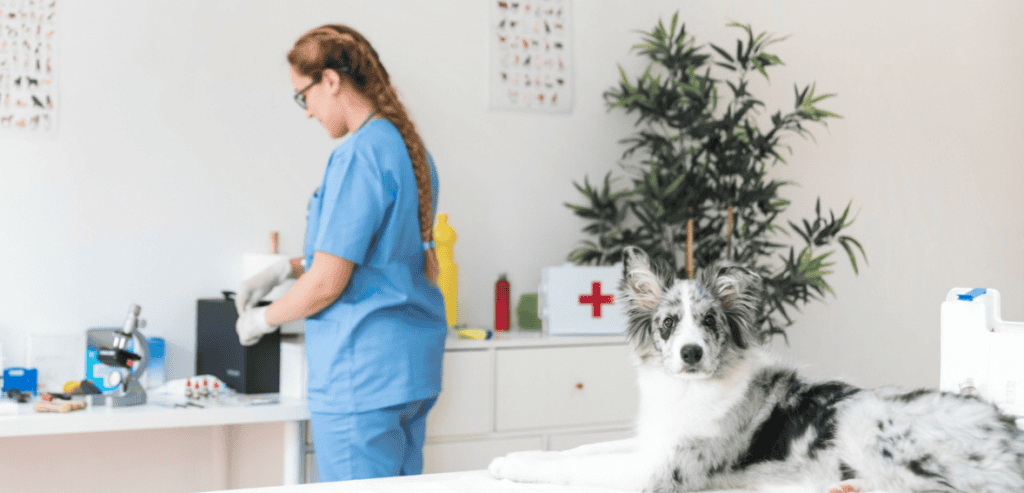
Front desk staff act as a bridge between clients and the medical team. When coordination is strong, veterinarians and technicians can focus on care rather than logistics. This requires clear habits for relaying updates, delays, and special requests. A well organized veterinary front desk keeps clinical staff informed about schedule changes and client needs. This collaboration improves workflow across the clinic. When front desk and medical teams work in sync, stress levels decrease and care quality improves.
Managing Difficult Conversations With Empathy
Not every front desk interaction is easy. Delays, unexpected costs, or emotional situations can lead to difficult conversations. Successful front desks develop habits for handling these moments with empathy and clarity rather than defensiveness. Listening actively and acknowledging concerns helps de escalate tension. These skills are essential for maintaining a smooth client check-in workflow even under pressure. Over time, confident handling of difficult situations improves receptionist efficiency and vet clinic performance by reducing repeated conflicts and emotional fatigue.
Training and Continuous Skill Development
Front desk excellence does not happen automatically. Ongoing training supports consistent habits and confidence. Training should cover systems, communication skills, and stress management. When staff feel supported, they perform better and stay engaged. Regular training strengthens the veterinary front desk by aligning expectations and reinforcing best practices. It also ensures the client check-in workflow remains effective as systems or policies evolve. Continuous development improves retention and long term efficiency.
Using Technology to Support Front Desk Habits
Technology plays a growing role in front desk operations. Scheduling software, digital forms, and communication tools can reduce manual work when used effectively. However, technology should support habits, not replace them. Front desk teams must understand how tools fit into daily workflows. When technology aligns with the client check-in workflow, it enhances accuracy and speed. This directly improves receptionist efficiency vet clinic outcomes by freeing time for meaningful client interactions.
Managing Peak Times Without Chaos
Busy periods are inevitable in veterinary practices. Without preparation, peak times can overwhelm staff and frustrate clients. Successful front desks plan for these moments through staffing, scheduling, and communication habits. Clear expectations help manage client flow during busy hours. A well practiced veterinary front desk maintains calm even when volume increases. Strong habits ensure that service quality remains consistent, protecting both staff morale and client trust.
Creating Clear Policies and Applying Them Consistently
Policies around cancellations, payments, and arrivals provide structure for front desk operations. When policies are unclear or applied inconsistently, conflict increases. Clear documentation and training help staff enforce policies confidently. Consistent policy application supports a predictable client check-in workflow. Clients know what to expect, reducing confusion. This consistency improves receptionist efficiency vet clinic performance by minimizing debates and exceptions.
Encouraging Team Communication and Feedback
Front desk staff benefit from regular feedback and open communication with leadership. Discussing challenges and successes helps refine processes and address issues early. A supportive environment encourages improvement rather than blame. Open communication strengthens the veterinary front desk by aligning goals and expectations. It also improves coordination with clinical teams. Over time, feedback driven improvements create smoother operations and stronger teamwork.
Preventing Burnout at the Front Desk
Front desk roles can be emotionally demanding. Without support, burnout becomes a real risk. Preventing burnout requires realistic workloads, breaks, and recognition of effort. Healthy staff perform better and stay longer. Sustainable habits protect both people and operations. A well supported client check-in workflow reduces stress during busy periods. When burnout is addressed proactively, receptionist efficiency vet clinic outcomes improve naturally.
Measuring Front Desk Performance Beyond Speed
Speed is important, but it is not the only measure of success. Quality interactions, accuracy, and client satisfaction matter just as much. Evaluating performance holistically encourages balanced habits rather than rushed service. A mature veterinary front desk culture values both efficiency and empathy. Tracking feedback and outcomes helps identify areas for improvement. This balanced approach leads to long term operational success.
Adapting Front Desk Habits as the Practice Grows
As clinics grow, front desk needs change. What works for a small practice may not scale without adjustment. Successful practices review and update front desk systems regularly to match growth. Flexibility is key to maintaining a smooth client check-in workflow over time. By adapting habits and roles, clinics protect receptionist efficiency vet clinic performance during expansion. Growth becomes manageable rather than chaotic.
Conclusion
Front desk management is one of the most influential factors in veterinary practice operations. It shapes client perceptions, supports clinical efficiency, and affects staff wellbeing. Strong habits at the veterinary front desk create stability in an otherwise fast paced and emotional environment. By focusing on clear communication, structured workflows, empathy, and continuous improvement, veterinary practices can build front desk systems that truly support their mission. A thoughtful client check-in workflow combined with attention to receptionist efficiency vet clinic needs ensures smoother days, happier clients, and more sustainable teams. When the front desk runs well, the entire practice benefits.