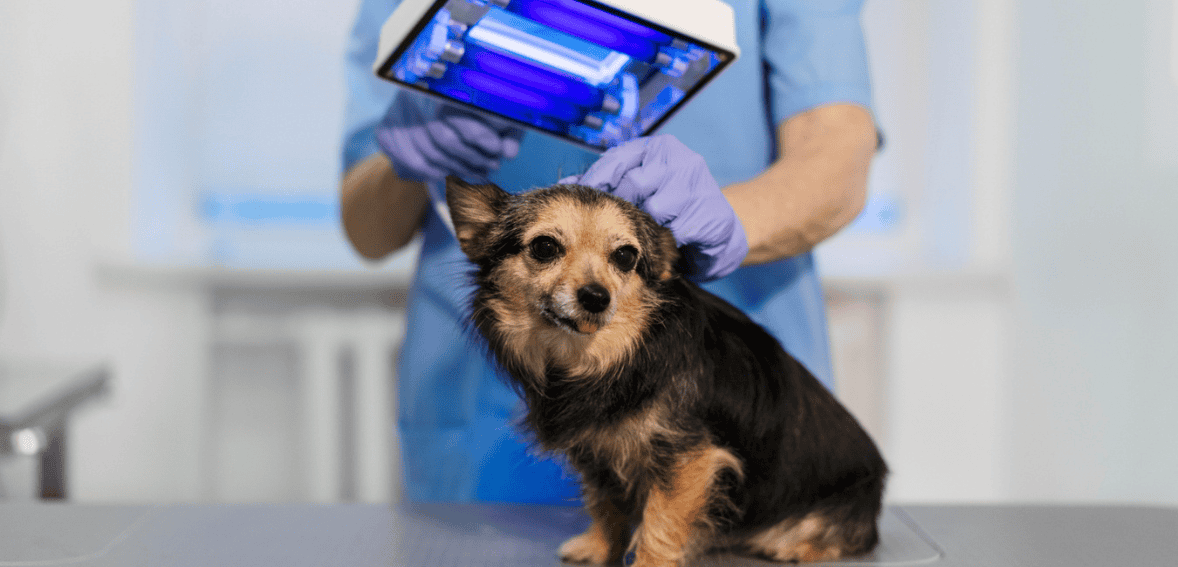
The Role of Vet Practice Technology in Modern Workflow Management
Veterinary practices today operate in an environment that is far more complex than it was even a decade ago. Pet owners expect faster service, clearer communication, and higher standards of care, while clinics face growing caseloads, tighter schedules, and increasing regulatory requirements. Managing all these demands through manual methods is no longer practical for most practices. This is where technology has become a central pillar in shaping how modern veterinary clinics function on a day to day basis.
The role of technology in veterinary care is not limited to advanced medical equipment alone. It extends deeply into how clinics organize appointments, manage patient records, coordinate staff, handle billing, and communicate with clients. Vet practice technology has transformed workflow management by replacing fragmented systems with connected digital processes.
Understanding Veterinary Workflow Management in Today’s Clinics
Veterinary workflow management can be defined as the process of tasks being handled in a veterinary practice from the time the client makes contact until the post-treatment follow-up. This entails appointment scheduling, client registration, diagnosis, treatment, inventory, billing, and communication. In the conventional environment, most of these processes were done using paper documentation, reminders, and communication, hence associated with inefficiencies and inaccuracies.
The objective of digital workflow veterinary software is the integration of all these functions using technology. When veterinary functions are well-organized using veterinary technology, professionals spend less time looking for information and more time practicing veterinary services. Vet technology enables all operations in the veterinary field to be done in the correct sequence and at the correct time, reducing stress for professionals and pet owners alike.
Why Technology Has Become Essential in Veterinary Practices
The growing demand for veterinary services has made efficiency a necessity rather than a luxury. Clinics often handle high patient volumes with limited staff, making manual coordination difficult. Technology provides tools that help clinics manage this pressure without compromising care quality. From appointment automation to digital medical records, modern systems help clinics keep pace with daily demands.
Clinic management software plays a major role in this shift by acting as a central hub for operations. It brings together scheduling, records, billing, and reporting into a single system. This integration allows clinics to operate with better visibility and control. As expectations continue to rise, technology becomes essential for maintaining service standards while supporting sustainable growth.
Digital Record Keeping and Patient History Management
Keeping accurate records is the backbone of good veterinary practice. As part of the modernization in veterinary practices, electronic record systems have replaced paper record systems in many veterinary clinics. In the new systems, veterinarians can easily refer to patient treatment records, vaccination, and test results during consultations.
Technology used in veterinary practices helps increase the accuracy of patient records by decreasing errors that could result from handwriting, as well as lost files. The technological system for workflow helps document updates as they happen, ensuring that all updates are up to date. Such systems increase the accuracy of all transitions of patients, thereby increasing confidence between clients and veterinarians.
Appointment Scheduling and Time Optimization
Appointment scheduling is one of the most visible areas where technology impacts daily workflow. Manual scheduling often leads to double bookings, long wait times, or underutilized slots. Modern scheduling tools within clinic management software allow clinics to manage appointments more effectively based on staff availability and case complexity.
These systems help balance workloads throughout the day, reducing bottlenecks during peak hours. Automated reminders sent through digital platforms also reduce missed appointments, which improves efficiency. For clinics, better scheduling means smoother operations. For pet owners, it results in shorter waits and clearer communication, strengthening the overall service experience.
Improving Communication With Pet Owners Through Technology
Clear and timely communication is essential in veterinary care, where clients rely on professionals to guide important decisions about their pets. Technology has expanded how clinics communicate with pet owners, moving beyond phone calls to digital messages, reminders, and portals.
Vet practice technology supports communication by centralizing contact information and interaction history. Clinic management software allows staff to share updates, test results, and care instructions efficiently. Digital workflow veterinary tools also enable follow up reminders for vaccinations or check ups, helping clinics stay connected with clients. This improved communication builds trust and encourages long term relationships.
Streamlining Billing and Payment Processes
Billing and payments are very essential parts of managing veterinary workflows and have a direct impact on patient satisfaction and financial flow within a clinic. In traditional billing, it may be a tedious and prone-to-error process, especially when services vary according to cases. It is easy and quick with software.
The management software used in the clinic ensures that the billing process is accurate. Electronic payment methods provide an easy way for the client to settle the bills. The technology used in the vet practice automates the process of receipts, payment, and financial statements. The effect of using technology in the practice is that the employees will have more time to serve the clients.
Inventory Management and Resource Tracking
Veterinary clinics rely on a wide range of supplies, from medications to medical equipment. Managing inventory manually can lead to shortages or overstocking, both of which affect operations. Technology provides tools to track inventory levels in real time and align usage with patient care.
Digital workflow veterinary systems help clinics monitor stock usage during treatments, ensuring accurate tracking. Clinic management software can generate alerts when supplies run low, allowing timely reordering. Vet practice technology improves cost control and reduces waste by aligning inventory management with actual demand. This efficiency supports smoother daily operations and financial stability.
Enhancing Team Coordination and Staff Productivity
Veterinary care is delivered by teams that include veterinarians, technicians, receptionists, and support staff. Effective coordination among these roles is essential for smooth workflow. Technology supports this coordination by providing shared access to schedules, task lists, and patient information.
Clinic management software helps assign responsibilities clearly and track task completion. Digital workflow veterinary tools reduce reliance on verbal instructions, which can be missed during busy periods. Vet practice technology enables staff to work with greater clarity and confidence. When teams are aligned, productivity improves and errors decrease, benefiting both staff morale and patient care.
Supporting Clinical Decision Making With Technology
Beyond administration, technology also plays a role in clinical decision making. Digital tools provide access to diagnostic data, treatment histories, and reference information during consultations. This supports more informed decisions and consistent care.
Vet practice technology allows veterinarians to review trends in patient data over time, which can be valuable for managing chronic conditions. Clinic management software integrates clinical notes with diagnostic results, creating a comprehensive view of each case. Digital workflow veterinary systems ensure that information is available when needed, reducing delays and supporting accurate treatment planning.
Managing Compliance and Record Requirements Digitally
Veterinary clinics have different requirements in terms of record-keeping, health and safety, as well as reporting. It may be difficult to handle this task manually. This is because technology makes it easier for clinics to be in compliance with the regulations.
The digital workflow systems for veterinary care make sure that necessary information is documented and secured. The practice management software streamlines readiness for audits by presenting information clearly. The technology for a vet practice prevents the likelihood of missing information, and it helps vet practices prove they are compliant, if necessary.
Reducing Administrative Burden Through Automation
Administrative tasks consume a significant portion of clinic time when handled manually. From data entry to follow up reminders, these tasks can distract staff from patient care. Technology reduces this burden through automation.
Vet practice technology automates routine processes such as appointment confirmations, billing updates, and record backups. Clinic management software handles repetitive tasks consistently, freeing staff to focus on higher value activities. Digital workflow veterinary systems ensure that automation fits naturally into daily operations rather than adding complexity. Over time, this efficiency improves job satisfaction and operational consistency.
Data Insights and Performance Monitoring
Technology also enables clinics to analyze performance and identify areas for improvement. Digital systems collect data on appointments, treatments, revenue, and client interactions. When analyzed thoughtfully, this data provides valuable insights into clinic operations.
Clinic management software offers reporting tools that help leaders understand workload patterns and service demand. Vet practice technology supports informed decision making by highlighting trends and opportunities. Digital workflow veterinary analysis helps clinics optimize staffing, pricing, and service offerings. These insights contribute to long term sustainability and growth.
Adapting to Changing Client Expectations
Client expectations continue to evolve as digital experiences become more common across industries. Pet owners increasingly expect convenience, transparency, and quick access to information. Technology helps veterinary clinics meet these expectations without increasing staff workload. Digital workflow veterinary tools enable online booking, digital forms, and faster communication. Clinic management software provides a more organized and professional experience. Vet practice technology ensures that clinics remain competitive by aligning services with modern expectations. Adapting to these changes supports client satisfaction and loyalty.
Training and Onboarding Through Digital Systems
A busy veterinary clinic can create challenges in the training of additional staff members. Technology assists in the induction process through the structured provision of access to processes and schedules and corresponding patient data. The clinic management software helps new employees of the team learn the process quickly. The online veterinary workflow software ensures uniform execution of tasks. The software for the veterinary practice helps in the development of skills because the software ensures well-defined training.
Balancing Technology Use With Human Care
While technology plays a significant role in workflow management, it does not replace the human aspect of veterinary care. Successful clinics use technology to support, not overshadow, personal interactions with clients and patients. The goal is to reduce administrative distractions so professionals can focus on care.
Vet practice technology works best when integrated thoughtfully into daily routines. Clinic management software should enhance communication rather than create distance. Digital workflow veterinary systems should feel intuitive rather than overwhelming. When balanced correctly, technology strengthens human connection by creating space for meaningful care.

Preparing Veterinary Practices for Future Growth
As veterinary practices grow, workflows become more complex. Technology provides scalable solutions that support expansion without sacrificing quality. Digital systems adapt more easily to increased patient volumes and staffing changes. Clinic management software supports growth by maintaining structure as operations expand. Vet practice technology ensures that standards remain consistent across services. Digital workflow veterinary platforms provide flexibility for future needs. Preparing for growth through technology helps clinics remain resilient and competitive.
Improving Workflow Consistency Across Multiple Appointments
In busy veterinary clinics, workflow consistency becomes difficult to maintain when multiple appointments overlap throughout the day. Without structured systems, staff may struggle to prioritize cases, access the right information quickly, or coordinate smoothly between consultation rooms. Technology plays a crucial role in stabilizing daily operations by creating predictable and repeatable workflows that guide teams through each stage of patient care.
Digital workflow veterinary tools help standardize how appointments are handled from check in to treatment and discharge. Vet practice technology ensures that each case follows a clear sequence, reducing variability that often leads to mistakes or delays. Clinic management software supports visibility across schedules so team members can anticipate transitions and prepare in advance. This consistency reduces stress for staff and shortens wait times for clients. Over time, standardized workflows improve efficiency, enhance patient safety, and create a more professional experience that reflects well on the clinic as a whole.
Supporting Remote Access and Flexible Workflows
Modern veterinary practices increasingly require flexibility beyond the physical clinic space. Whether it involves reviewing records after hours or coordinating care across locations, technology enables more adaptable ways of working. Remote access to systems has become an important component of operational continuity, especially during emergencies or staffing changes.
Vet practice technology allows authorized staff to securely access patient records, schedules, and communications from outside the clinic. Digital workflow veterinary platforms ensure that work does not stall when physical presence is limited. Clinic management software supports continuity by keeping information centralized and updated in real time. This flexibility allows veterinarians to review cases, approve treatments, or respond to client inquiries without disrupting clinic schedules. When implemented carefully, remote access enhances responsiveness while maintaining data security and clinical oversight.
Enhancing Accuracy in Diagnostic and Treatment Coordination
Accurate coordination between diagnostics and treatment is essential for quality veterinary care. Delays or miscommunication during this phase can affect outcomes and client confidence. Technology supports this process by linking diagnostic information directly to patient records and treatment plans, reducing reliance on memory or manual updates.
Digital workflow veterinary systems ensure that test results, imaging data, and lab reports are attached to the correct case without delay. Vet practice technology allows clinicians to review findings alongside historical data, supporting informed decisions. Clinic management software helps staff coordinate next steps such as medication dispensing or follow up appointments. This accuracy reduces duplication, prevents overlooked results, and improves continuity of care. When diagnostics and treatments are tightly integrated through technology, clinics operate with greater precision and reliability.
Strengthening Long Term Client Relationships Through Technology
Veterinary care often involves long term relationships between clinics and pet owners. Technology helps nurture these relationships by supporting consistent communication and personalized care over time. When client interactions are tracked and organized, clinics can respond more thoughtfully to individual needs.
Vet practice technology allows clinics to maintain detailed records of communication, preferences, and care history. Digital workflow veterinary platforms support reminders and follow ups that feel timely and relevant. Clinic management software enables continuity even when different team members interact with the same client. This structured approach builds trust and reassures pet owners that their animals receive attentive care. Over time, technology supports loyalty by making interactions smoother and more consistent, reinforcing the clinic’s commitment to quality service.
Conclusion
Technology has become an essential component of modern veterinary workflow management, shaping how clinics operate, communicate, and deliver care. By integrating vet practice technology into daily routines, clinics can streamline operations and reduce administrative burden. Clinic management software acts as a foundation for organization, coordination, and informed decision making.
Digital workflow veterinary systems support accuracy, efficiency, and adaptability in a demanding environment. When used thoughtfully, technology allows veterinary professionals to focus on what matters most, providing quality care to animals and building trust with pet owners. As expectations and demands continue to evolve, technology will remain a key driver in creating sustainable, well managed veterinary practices.