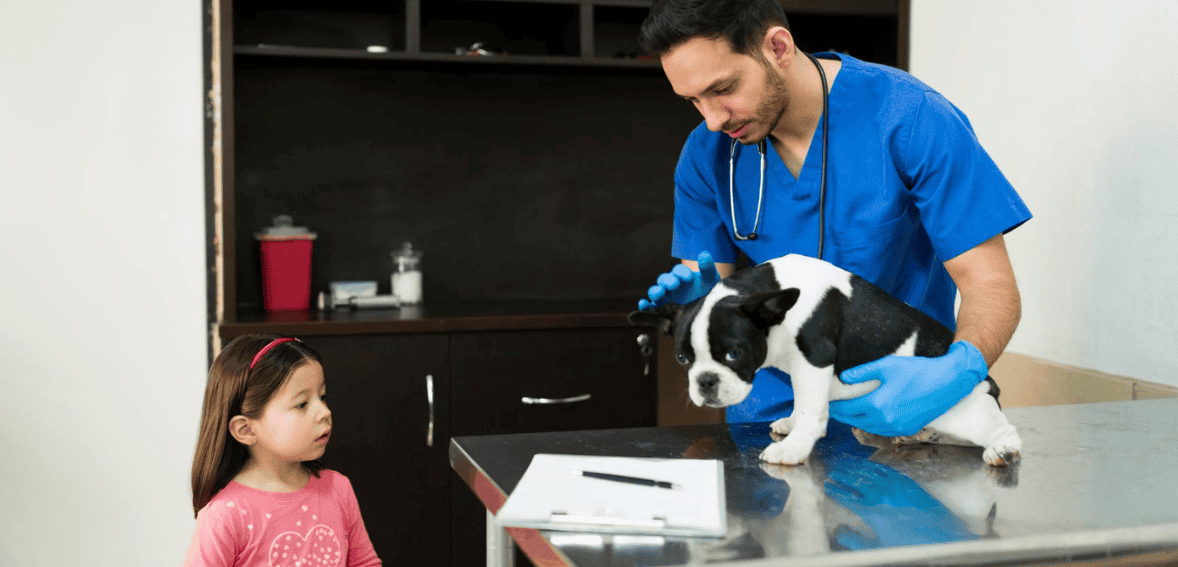
Creating a More Organized Veterinary Treatment Area for Faster Case Handling
An organized treatment area plays a crucial role in how efficiently veterinary clinics manage daily caseloads. When systems are clear and spaces are thoughtfully arranged, teams can focus more on patient care instead of searching for tools or navigating unnecessary delays. In busy clinical environments, even small inefficiencies can compound into longer waiting times, increased stress for staff, and compromised patient experiences.
Improving organization within a veterinary treatment area is not about large renovations or expensive upgrades alone. It is often about intentional layout planning, consistent workflows, and clear responsibility across the team. When combined, these elements directly support efficient patient handling and help clinics manage both routine appointments and urgent cases with confidence and control.
Understanding the Role of Organization in Case Flow
The treatment area sits at the heart of clinical operations, connecting consultations, diagnostics, procedures, and recovery. When this space is cluttered or poorly structured, case flow slows down because staff must compensate for missing or unclear systems. Disorganization increases the risk of errors, repeated steps, and miscommunication between team members.
A well-organized veterinary treatment area supports predictable movement of patients, equipment, and information. Clear pathways reduce bottlenecks and allow staff to anticipate next steps rather than react under pressure. Clinic organization tips often emphasize flow because faster case handling depends as much on movement and clarity as it does on medical skill.
Assessing Current Workflow Before Making Changes
Before attempting improvements, clinics should take time to observe how cases move through the treatment area during a typical day. This includes noting where delays occur, which tasks are frequently interrupted, and where staff spend extra time locating supplies or documentation. Understanding these patterns reveals which organizational issues have the greatest impact.
Efficient patient handling begins with awareness of real working conditions rather than ideal assumptions. Some inefficiencies may stem from outdated routines or habits that no longer match patient volume. By assessing workflows honestly, leaders can implement clinic organization tips that address actual challenges rather than surface-level symptoms.
Designing Layouts That Support Speed and Safety
Physical layout has a direct effect on how quickly and safely cases are handled. Treatment areas should be arranged to minimize unnecessary movement while maintaining clear separation between sterile and non-sterile zones. Equipment and supplies used most frequently should be positioned within easy reach of workstations.
In a well-designed veterinary treatment area, staff can complete procedures without crossing paths excessively or disrupting others. Clear visual organization also supports safety by reducing clutter and preventing trip hazards. Layout improvements often enhance efficient patient handling simply by allowing staff to work with greater focus and fewer interruptions.
Standardizing Equipment Placement and Supply Storage
Consistency is one of the most powerful tools for improving organization. When equipment and supplies are stored in standardized locations, staff spend less time searching and more time treating patients. Every team member should know where essential tools are kept regardless of who last used them.
Clinic organization tips commonly recommend labeling, designated storage zones, and routine restocking schedules. In a busy veterinary treatment area, these practices reduce delays during critical moments. Over time, standardization builds muscle memory and improves team coordination, which is essential for faster and more reliable case handling.
Creating Clear Zones Within the Treatment Area
Dividing the treatment area into clearly defined zones helps staff mentally and physically organize their work. Zones may include areas for triage, diagnostics, procedures, medication preparation, and recovery. Each zone should have a specific purpose and appropriate equipment available.
Clear zoning supports efficient patient handling by reducing confusion about where tasks should occur. Staff can move cases through stages logically without overlap or congestion. This structure also improves communication because team members share a common understanding of how patients progress through care within the veterinary treatment area.
Improving Communication and Visibility Among Staff
Organization is not limited to physical space. Clear communication systems play an equally important role. Visual boards, status indicators, or digital dashboards help teams track patient progress, pending tasks, and priorities without constant verbal updates.
When communication tools are integrated into clinic organization tips, staff experience fewer interruptions and misunderstandings. In a well-organized veterinary treatment area, everyone has access to the same information at the right time. This shared awareness supports faster decisions and smoother patient transitions throughout the day.
Streamlining Documentation and Record Access
Documentation can slow down case handling when records are difficult to access or update. Treatment areas should support quick reference to patient histories, medication logs, and procedure notes without disrupting clinical work. Whether paper-based or digital, records should be organized and accessible.
Efficient patient handling depends on timely information. Delays in documentation often lead to repeated questions or pauses in care. Clinics that align their documentation systems with workflow see improved speed and accuracy. Organization in this area reduces cognitive load and allows staff to focus on patient needs rather than administrative tasks.
Managing Inventory to Prevent Treatment Delays
Inventory issues frequently disrupt treatment workflows. Missing supplies, expired medications, or inconsistent restocking cause avoidable delays during procedures. Effective inventory management is a core component of a well-organized veterinary treatment area.
Clinic organization tips emphasize routine checks, accountability, and clear inventory thresholds. When supplies are reliably available, teams can proceed confidently with planned treatments. Consistent inventory control directly supports efficient patient handling by ensuring readiness for both routine and emergency cases.
Supporting Team Roles and Responsibility Clarity
Unclear roles can undermine even the most organized physical space. Each team member should understand their responsibilities within the treatment area and how their actions contribute to overall workflow. This clarity reduces duplication of effort and conflicting actions. Leadership plays an important role in reinforcing role clarity. When staff feel confident in their scope and expectations, cooperation improves. In a structured veterinary treatment area, defined roles support faster case handling because tasks are completed efficiently without hesitation or overlap.
Reducing Clutter Through Regular Organization Practices
Clutter accumulates quickly in active treatment areas if not addressed intentionally. Items left out of place or unused equipment occupying valuable space create visual noise and physical obstacles. Regular organization routines help maintain clarity and order. Efficient patient handling improves when treatment spaces remain clean and purpose-driven. Simple clinic organization tips such as end-of-shift resets and weekly audits can prevent gradual disorganization. These habits protect the functionality of the veterinary treatment area during high-demand periods.
Designing for Emergency Readiness
Emergency cases test the effectiveness of any organizational system. A treatment area prepared for emergencies enables staff to respond quickly without panic or confusion. Emergency equipment and medications should be clearly marked and immediately accessible. Organization supports calm and confident action during urgent situations. Clinics that integrate emergency preparedness into their layout and storage practices achieve faster response times. Efficient patient handling during emergencies relies heavily on clarity and familiarity within the veterinary treatment area.
Training Staff to Maintain Organizational Standards
Sustainable organization depends on team adoption rather than one-time efforts. Training should emphasize not only how systems work but why they matter. When staff understand the connection between organization and patient outcomes, compliance improves naturally. Clinic organization tips are most effective when reinforced through onboarding, refresher training, and leadership examples. A shared commitment to organization strengthens teamwork and accountability. Over time, training supports consistent performance and faster case handling.

Using Feedback to Refine Treatment Area Organization
Staff feedback provides valuable insight into how organizational systems perform under real conditions. Encouraging open feedback helps identify pain points that may not be obvious to leadership. Regular review sessions allow clinics to refine layouts and workflows as needs evolve. Efficient patient handling improves when organization remains flexible rather than rigid. The veterinary treatment area should adapt to changing case volume, technology, and staffing patterns. Feedback-driven refinement ensures that systems remain practical and relevant over time.
Balancing Efficiency With Patient Comfort
While speed is important, organization should never come at the expense of patient comfort and safety. Treatment areas must support calm handling, proper restraint, and stress reduction for animals. Quiet zones and gentle workflows help maintain patient well-being. Clinic organization tips should consider both staff efficiency and animal experience. When patients are calmer, procedures take less time and risk is reduced. Thoughtful organization supports efficient patient handling while maintaining high standards of care within the veterinary treatment area.
Measuring the Impact of Organizational Improvements
Tracking the effects of organizational changes helps clinics understand what is working. Metrics such as case throughput, procedure time, and staff satisfaction provide meaningful indicators. Improvements may not always be immediate, but trends over time reveal true impact. Long-term success depends on regular evaluation. Efficient patient handling becomes a predictable outcome when clinics adjust systems based on measured results. This approach ensures that organizational efforts deliver lasting value rather than short-term improvements.
Building a Culture of Continuous Organization
The most successful clinics treat organization as an ongoing discipline rather than a one-time project. When teams value order, clarity, and preparedness, these qualities become part of daily practice. Leadership support is essential in reinforcing this culture. A consistently organized veterinary treatment area supports faster case handling, reduced stress, and better outcomes for patients and staff alike. By viewing organization as a shared responsibility, clinics create environments where efficient patient handling becomes the natural standard.
Optimizing Lighting and Visual Cues in the Treatment Area
Lighting is also frequently overlooked in discussions of clinic organization, but it directly affects speed, accuracy, and comfort. Poor lighting can slow procedures, contribute to fatigue, and result in missed observations during exams and procedures. A well-organized veterinary treatment room should incorporate lighting that facilitates different tasks without creating glare or shadow. Visibility can help teams move faster and work with more confidence.
Visual communication is also a significant factor in efficient patient handling. Color-coding drawers, labels, and areas enables immediate recognition of equipment and supplies by staff. Consistent visual communication systems decrease decision time during busy times. Easy clinic organization tips, such as consistent signage and labeling, can lead to a more predictable and less stressful work environment. With time, better lighting and visual clarity can lead to easier workflows and less stress during busy or emergency times.
Incorporating Ergonomics to Reduce Time and Fatigue
Ergonomic design promotes efficiency by minimizing discomfort and unnecessary movement. In a busy veterinary treatment room, repetitive motions and uncomfortable positions can hinder staff efficiency and potentially cause injury. Ergonomic design of veterinary treatment rooms, such as adjustable tables and monitor placement, enables staff to work efficiently without slowing down throughout the day.
Efficient patient flow is enhanced when staff are not hindered by discomfort or fatigue. Veterinary clinics that incorporate ergonomic design principles tend to experience fewer disruptions in workflow and more consistency during busy shifts. Organizing a veterinary clinic with ergonomic design in mind emphasizes harmonizing tools, work surfaces, and movement patterns with the actual work processes of the staff.
Planning Treatment Area Flow for Peak Case Volume
The work flows that work well during the off-peak hours may fail during the peak hours. A well-organized veterinary treatment area should be designed with the high-volume situation in mind. This involves considering where the congestion will occur and designing the area to facilitate the handling of cases without obstruction.
A well-organized clinic during the busy hours requires flexibility. The staging areas, extra prep space, and supply stations can aid in the absorption of the sudden increase in the number of cases. The organization of the clinic tips on peak planning will help the staff stay calm and work in harmony during the busy hours.
Aligning Technology Use With Physical Organization
Technology is a factor in efficiency only if it is integrated with physical processes. Inefficient positioning of screens, printers, and input devices can disrupt the flow of treatment rather than improving it. An organized veterinary treatment area optimizes technology placement where it is most needed and least intrusive.
Technology should facilitate quick access to information, diagnosis, and communication without distracting staff from patients. More efficient patient handling can be achieved through technology placement that corresponds to movement patterns and task flow. Organizing a clinic typically includes advice to examine the relationship between digital technology and physical space.
Conclusion
Creating a more organized treatment area is one of the most effective ways to improve case handling speed and care quality. Through thoughtful layout, consistent systems, clear communication, and team involvement, clinics can transform daily workflows. Organization does not require perfection but commitment to clarity and improvement. When clinics invest in structured environments and disciplined habits, the veterinary treatment area becomes a space where teams work confidently and patients receive timely, attentive care. Over time, these changes support sustainable efficiency and a better experience for everyone involved.